2025
BEiT vs. MatchNet — Deep Learning for Image Similarity
Comparison of two deep learning approaches for patch-based image similarity classification using Tiny ImageNet, achieving 94% accuracy with MatchNet and 89% with BEiT.
With Arvind Nair·Tenzin Shenyen·Sanskruti Mali

The Problem
Given two images from the Tiny ImageNet dataset (200 classes), predict whether they belong to the same class — a binary similar / dissimilar classification evaluated across over 12 million image pairs.
What We Built
Two independent deep learning approaches were built and compared head-to-head:
-
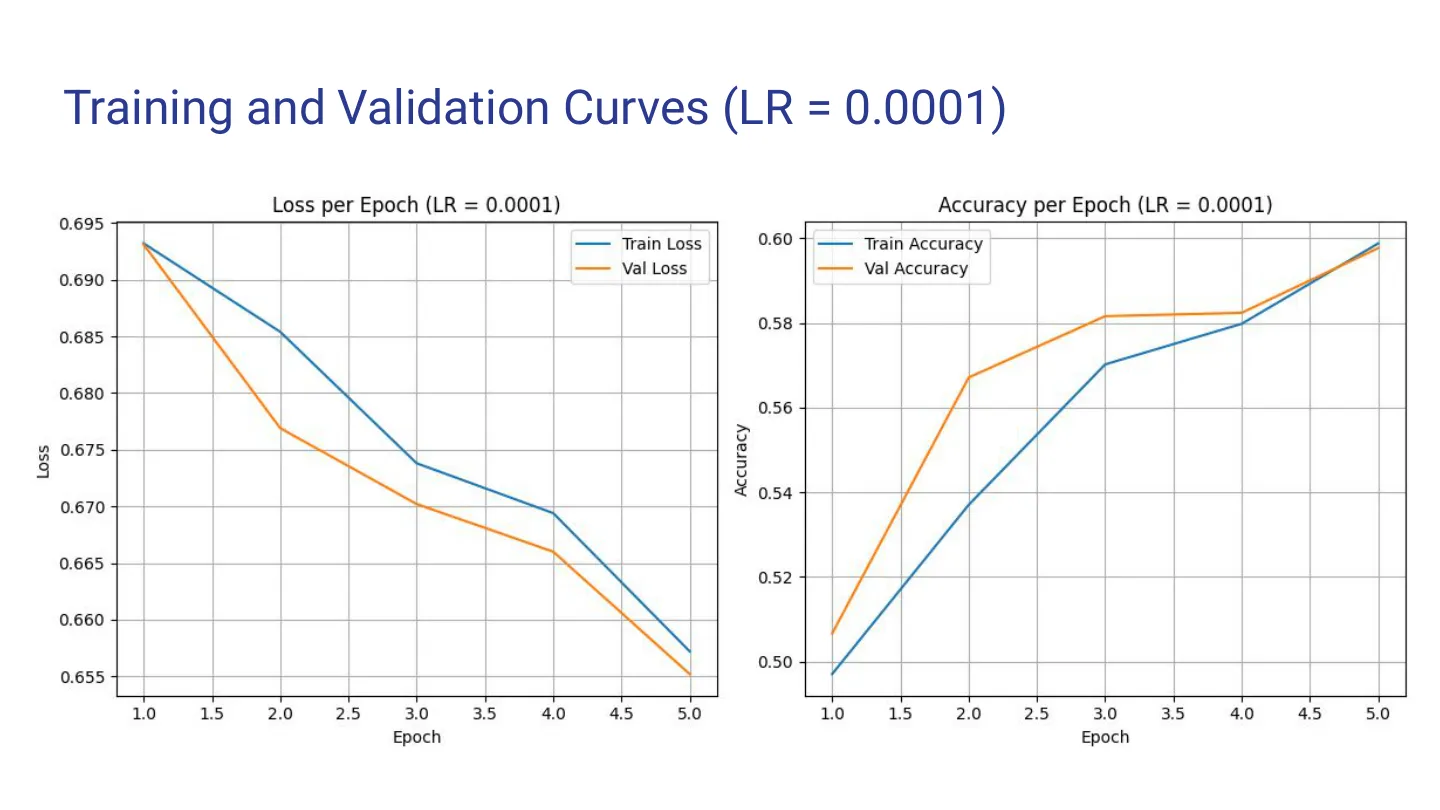
MatchNet — a Siamese-style CNN trained from scratch. A shared feature extractor maps each image into a compact embedding; a learned metric network then outputs a similarity score. Trained end-to-end with Binary Cross-Entropy loss.
-
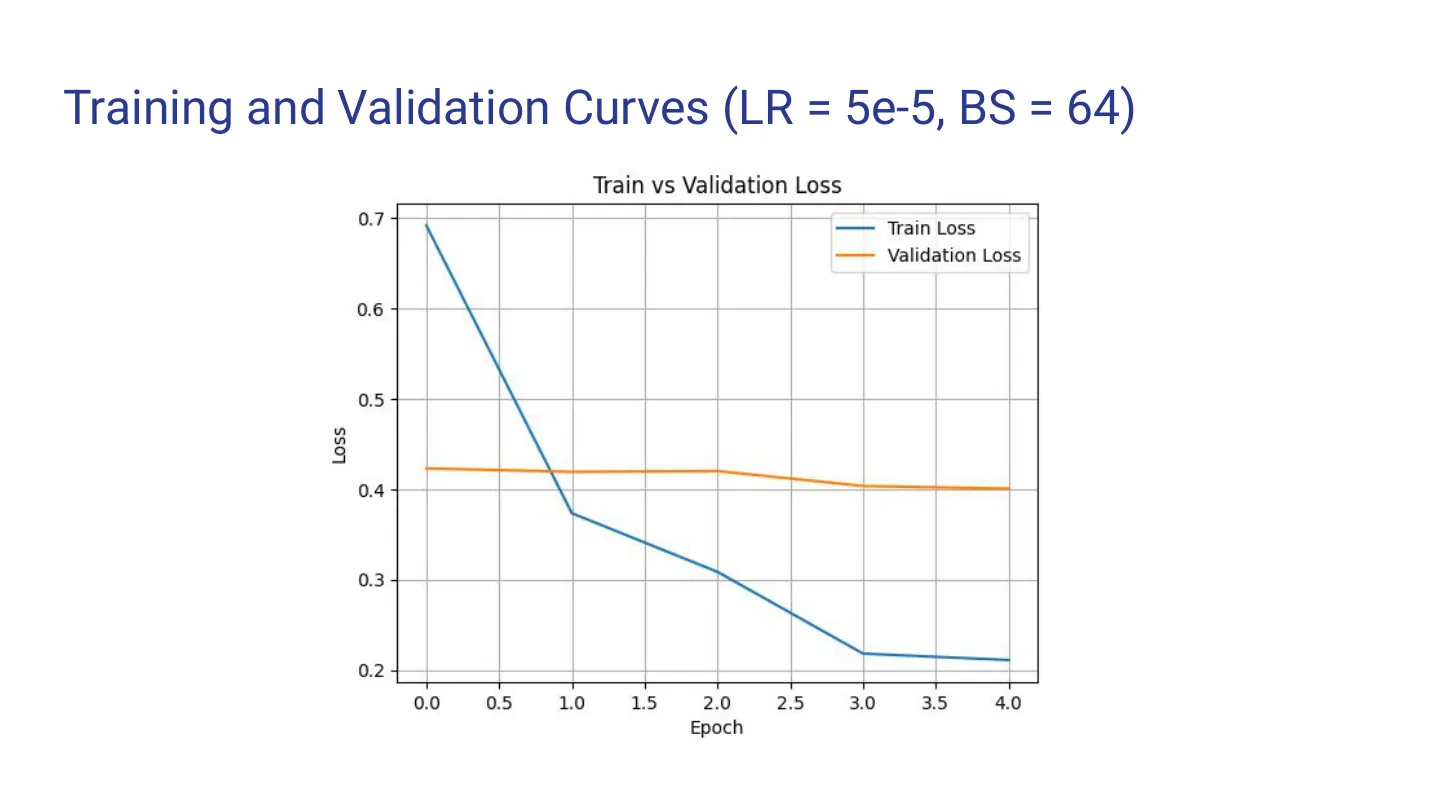
BEiT (BERT Pre-Training of Image Transformers) — a Vision Transformer pretrained via masked image modeling, where ~40% of 16×16 patches are masked and the model learns to predict their discrete visual tokens. Fine-tuned on the pairwise similarity task using the same BCE objective.
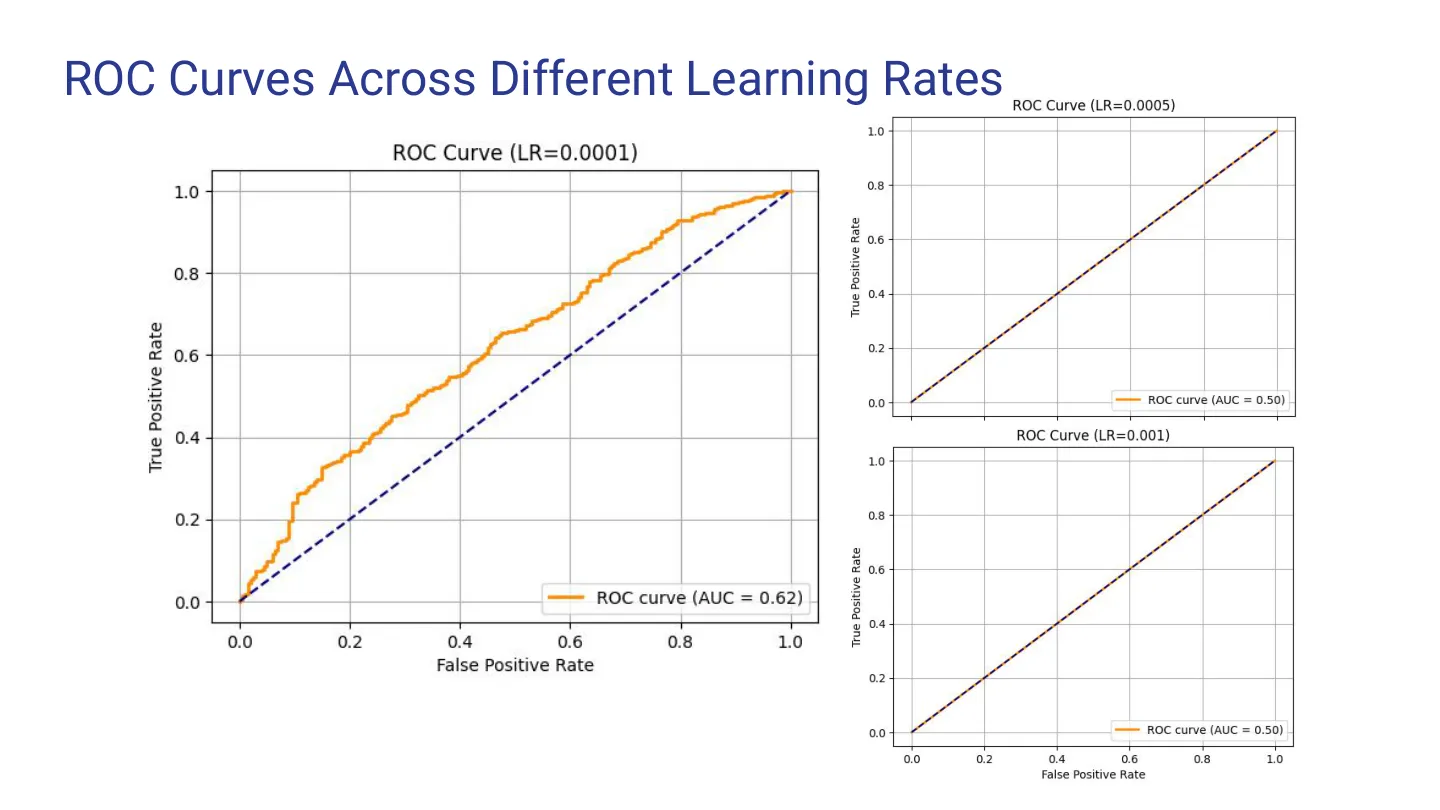
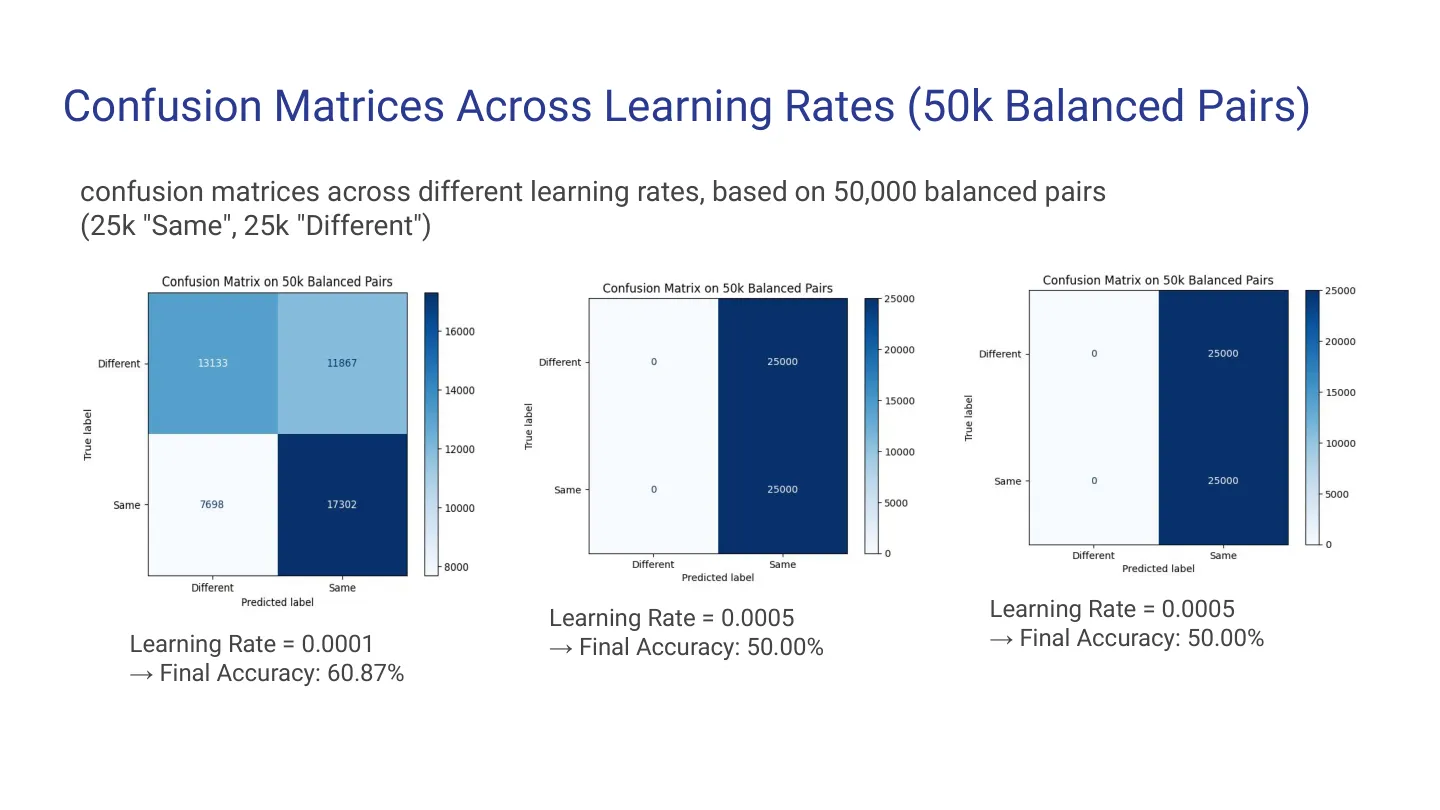
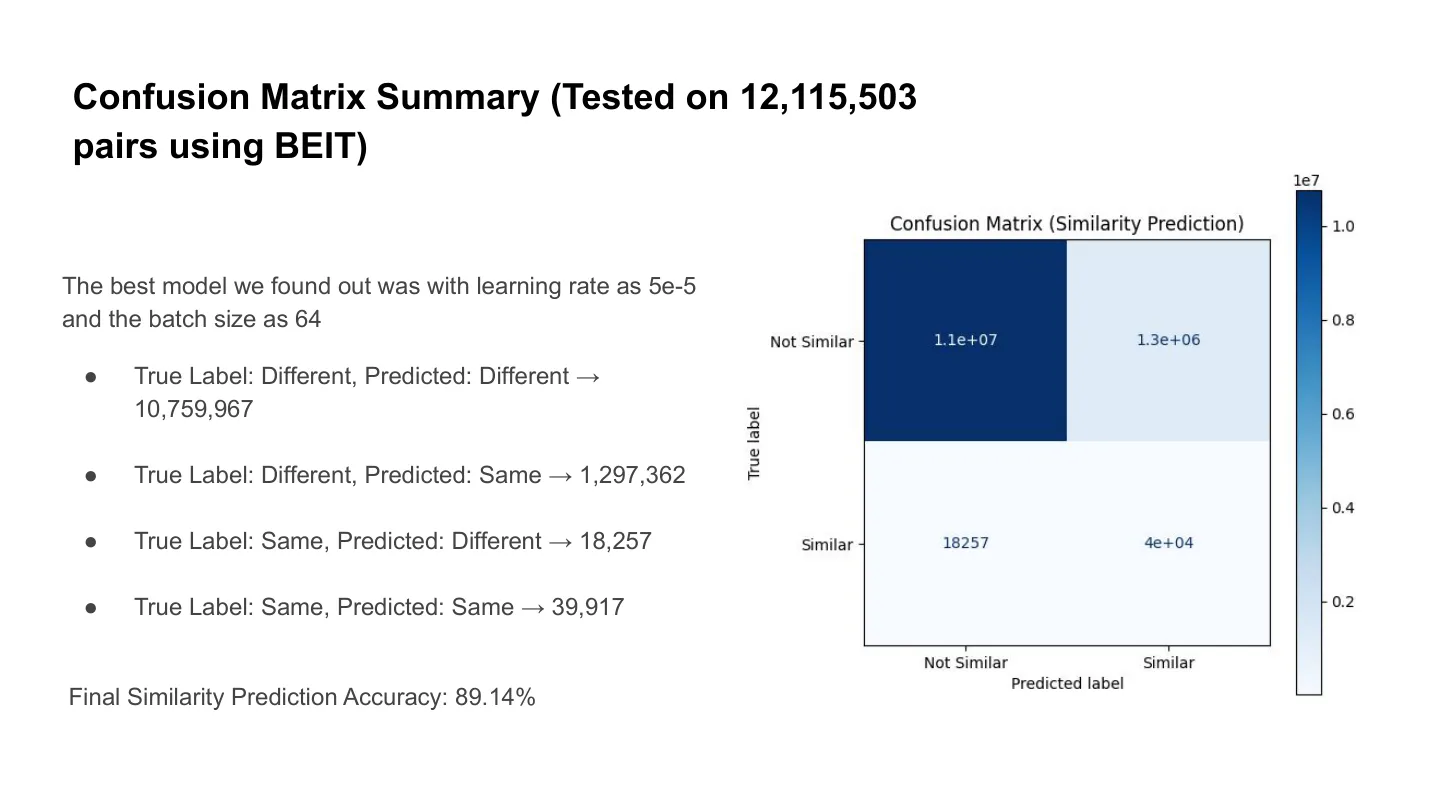
Both models were evaluated across multiple learning rates and batch sizes. MatchNet’s best configuration used LR = 0.0001; BEiT’s best used LR = 5e-5, batch size = 64.
Results
Tested on 12,115,503 image pairs from Tiny ImageNet:
| Model | Accuracy | Best Config |
|---|---|---|
| MatchNet | 94.28% | LR = 0.0001 |
| BEiT | 89.14% | LR = 5e-5, BS = 64 |
MatchNet outperformed the pretrained transformer — likely because the metric learning objective trained end-to-end aligns directly with the similarity task, while BEiT’s general-purpose pretraining introduces a domain gap that fine-tuning alone doesn’t fully close.